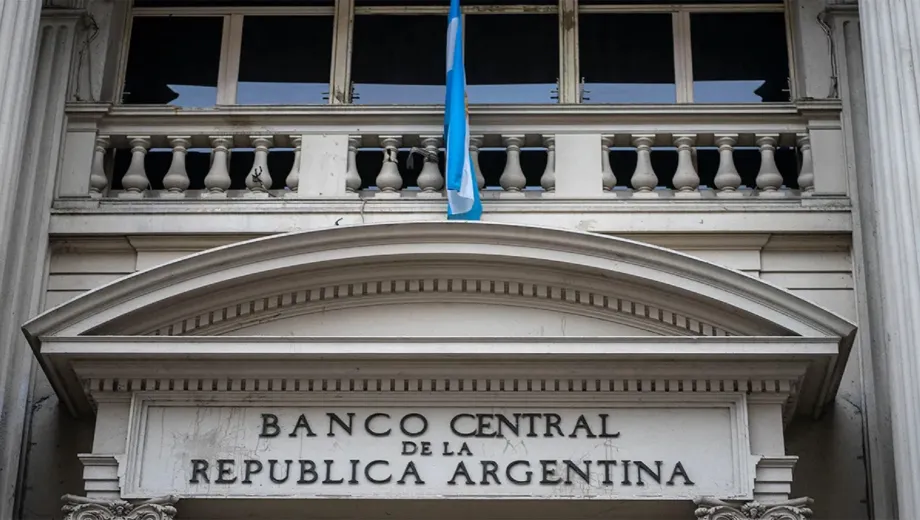
During the week, according to private reports, the Central Bank of Argentina (BCRA) acquired nearly USD 1 billion, a figure that reinforces the sense of control on a front that the government considers central to defending its economic program. However, the picture is not linear or entirely clean. The BCRA itself had announced in December that its 2026 remonetization program contemplated purchases of USD 10 billion in the central scenario and up to USD 17 billion if money demand grew more than expected. This combination is what most appeals to the economic team of Luis Caputo and Santiago Bausili: adding reserves, maintaining exchange rate calm, and preventing the market from reading need or urgency behind the official intervention. The message from Washington was clear: the improvement in the monetary and exchange scheme is valued, but the consistency of the program will also be measured by the ability to continue rebuilding reserves without dismantling them immediately to cover financial shortfalls. That tension is what both the market and international organizations are closely watching. In fact, the IMF had already marked in February that the sustained accumulation of reserves was a key condition for Argentina to regain durable access to private credit. That the BCRA buys more dollars does not automatically mean that reserves grow at the same pace. The Central Bank of the Argentine Republic again stepped heavily into the foreign exchange market and closed this Friday with its most forceful intervention of the year. That difference is not minor, as it allows the ruling party to show strength without overstating a full compliance that still does not exist. Another favorable reading for the Casa Rosada is that the buying streak did not appear amid a jump in the dollar, but exactly the opposite: with a wholesale exchange rate that closed around ARS 1,370 and accumulated another weekly drop. It was, according to market reports, the second-highest purchase of the Javier Milei era and the highest in over two years in a context of a still calm official dollar and strong supply of foreign currency. The most interesting political and financial data is that the government can already show that it has fulfilled more than half of the basic accumulation target set for this year. Part of these currencies is used to meet Treasury obligations in foreign currency and other financial commitments, which is why the increase in the gross stock is usually much smaller than the accumulated balance of purchases. In this logic, the record purchase of this Friday gives the government breathing room, strengthens the stability narrative, and feeds the exchange rate peace, but at the same time leaves a background warning: the real challenge is not just to buy dollars, but to get more and more of those dollars to stay. That point is key not to get confused: the Central Bank is buying a lot, yes, but a significant fraction of that effort goes through the channel of maturities and is not fully consolidated as a net cushion. The entity bought USD 457 million in the official segment, chained 64 consecutive rounds with a buyer's balance and brought the 2026 accumulated total to a little over USD 5.4 billion, in a day that also left gross reserves around USD 45.431 billion. Translated to the present, the stock acquired so far comfortably exceeds 50% of the basic target, although it is still well below the expanded scenario.